




Description
Key Characteristics
-
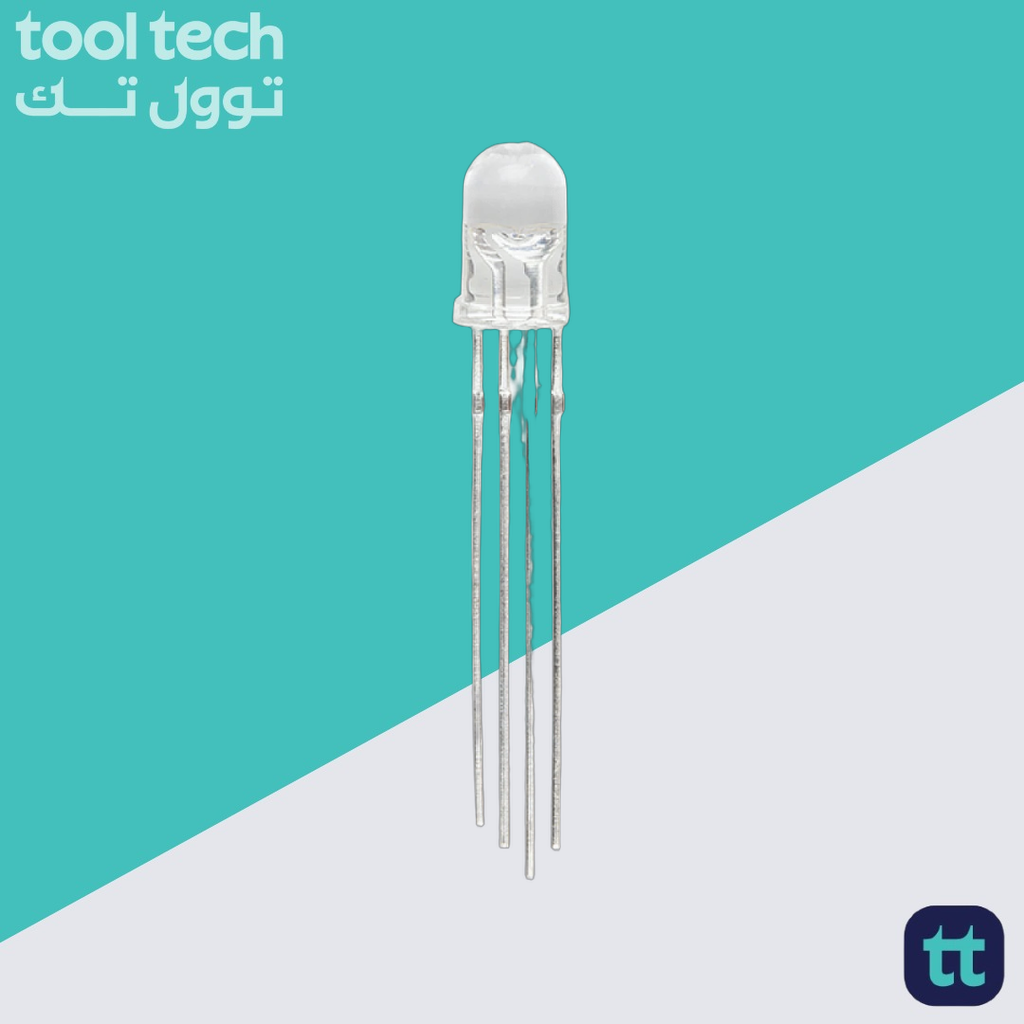
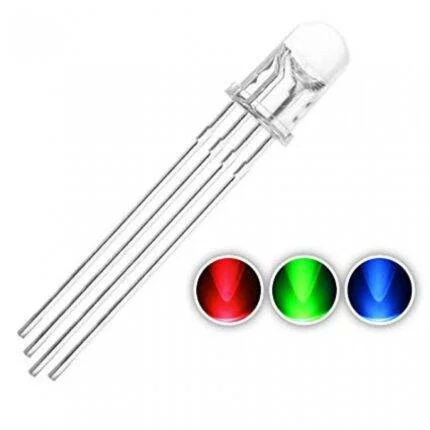
Multi-Color Capability: Unlike a standard single-color LED, an RGB LED combines three independent LED chips (red, green, and blue) within a single package. By varying the intensity of these three colors, it can produce a wide spectrum of colors through additive color mixing.
-
Four Pins: You will notice it has four leads (pins) rather than the standard two.
-
Common Pin: One pin serves as the common connection (either Common Cathode or Common Anode).
-
Color Pins: The other three pins are individual control pins for the Red, Green, and Blue segments.
-
-
Clear Lens: The transparent casing is designed to diffuse the light from the internal chips, ensuring the colors blend well for a uniform output.
How it Works
To control the color, you typically use Pulse Width Modulation (PWM) from a microcontroller (like an Arduino or Raspberry Pi) to adjust the brightness level of each individual color channel.
-
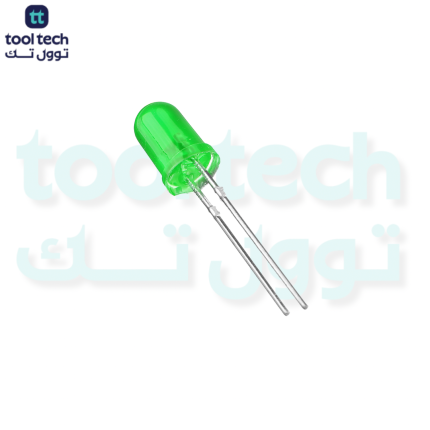
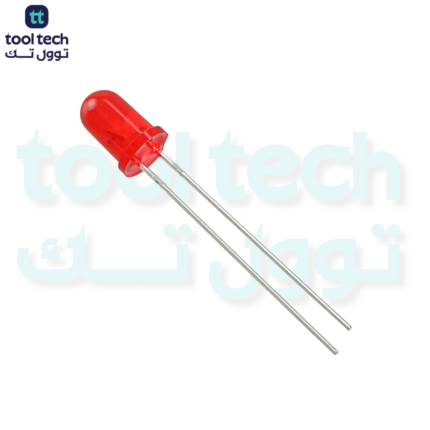
If you power only the Red pin, the LED glows red.
-
If you power the Red and Green pins simultaneously, the LED glows yellow.
-
If you power all three at maximum intensity, the LED appears white.





















Reviews
There are no reviews yet.