


Description
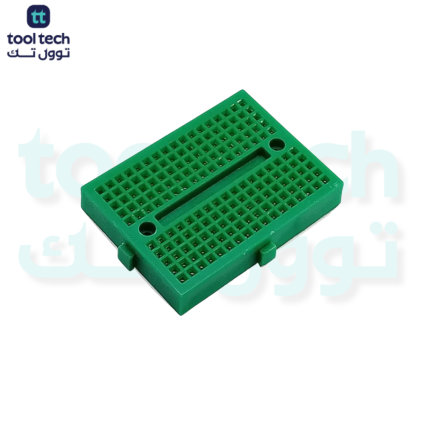
170-Tie Point Mini Breadboard – White
The 170-Tie Point Mini Breadboard (White) is the industry-standard “base” model for ultra-compact electronic prototyping. Its clean, neutral aesthetic and extremely small footprint make it a staple for hobbyists, engineers, and students who need a portable and reliable platform for testing discrete circuits or small-scale microcontroller projects.
Technical Specifications
| Feature | Specification |
| Total Tie-Points | 170 |
| Dimensions | 4.5cm x 3.5cm x 0.85cm |
| Material | High-impact ABS plastic, Nickel-plated phosphor bronze clips |
| Mounting | Self-adhesive foam backing |
| Interlocking | Yes (side tabs for modular expansion) |
| Wire Compatibility | 20–29 AWG (Solid-core wire recommended) |
Key Features
-
Ultra-Compact Utility: Ideal for projects where space is limited, such as building tiny IoT sensor nodes, wearable tech, or compact robotics modules.
-
Modular Scalability: The board features interlocking side tabs, allowing you to snap it together with other breadboards of any color to create a larger, custom prototyping surface.
-
Professional Mounting: The peel-and-stick adhesive backing allows for secure, semi-permanent mounting into project boxes or onto larger chassis, keeping your circuit stable.
-
Standardized Layout: Maintains a 2.54mm (0.1″) pitch, ensuring full compatibility with all standard DIP integrated circuits, pin headers, and jumper wires.
Best Practices for Use
-
Wire Selection: Always use solid-core jumper wires (22–24 AWG). Stranded wires are prone to fraying and can permanently damage the internal contact clips, causing intermittent electrical connections.
-
Cleaning the Surface: Before using the adhesive backing, wipe your target surface (chassis or enclosure) with isopropyl alcohol to remove dust and oils, ensuring a secure long-term bond.
-
Vertical Insertion: Always insert component leads straight down. Inserting at an angle can cause the small housing to crack or the phosphor bronze clips to lose their tension.
-
Maintenance: Avoid applying solder directly to the board. If your components need to be joined permanently, solder them to a small piece of perfboard first, then plug that assembly into the breadboard.















Reviews
There are no reviews yet.