



Description
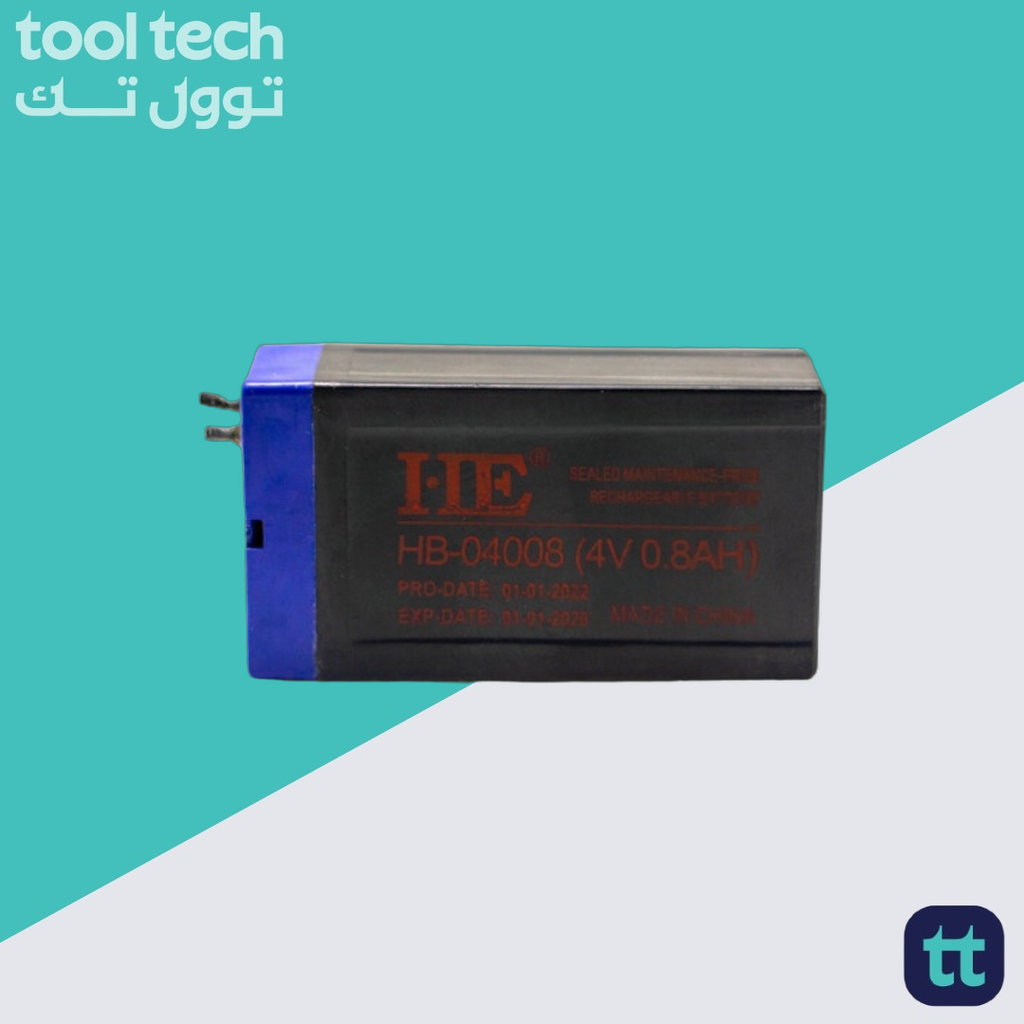
The 4V 0.8Ah battery is a compact, sealed lead-acid (SLA) rechargeable battery, widely manufactured in China for small electronic consumer goods. Because of its small size and low capacity, it is a staple for portable low-power devices.
Product Overview
This battery typically uses Valve-Regulated Lead-Acid (VRLA) technology with an Absorbent Glass Mat (AGM) separator. This design makes the battery “dry” and spill-proof, meaning it can operate in any orientation without leaking electrolyte.
Typical Specifications
-
Nominal Voltage: 4V
-
Nominal Capacity: 0.8Ah (often labeled as 800mAh)
-
Typical Dimensions: Approximately 32mm x 22mm x 65mm (varies slightly by manufacturer)
-
Weight: ~70g to 85g
-
Design: Sealed, maintenance-free, and rechargeable.
Key Features
-
Maintenance-Free: The sealed construction eliminates the need for water refilling.
-
Safety: Incorporates a pressure-relief valve to prevent gas buildup.
-
Stable Output: Provides a reliable, steady voltage discharge for small appliances.
-
Low Self-Discharge: Suitable for applications that may sit idle for periods, though periodic recharging is necessary to maintain battery health.
Common Applications
These batteries are most frequently found in:
-
Electric Mosquito Swatters: The most common consumer use for this specific voltage and capacity.
-
Emergency/LED Flashlights: Rechargeable portable lamps.
-
Small Table Lamps: Portable, rechargeable reading lights.
-
DIY Electronic Projects: Prototyping small electronic circuits or low-power robotics.
-
Signaling/Security: Low-power indicators or backup for small alarm components.
Usage & Maintenance Tips
Warning: These batteries are highly sensitive to overcharging. Always use a charger specifically designed for 4V lead-acid batteries to prevent overheating, swelling, or premature failure.
-
Avoid Deep Discharge: Lead-acid batteries perform best if they are not drained completely. Try to recharge them before they reach a very low voltage state.
-
Storage: If not using the device for a long time, store the battery in a cool, dry place and ensure it is fully charged before storage. Recharge it every few months if it remains in storage to prevent sulfation.
-
Disposal: Like all lead-acid batteries, these contain lead and acid. They should never be thrown in household trash; please ensure they are disposed of at a proper battery recycling center.


















Reviews
There are no reviews yet.