

Description
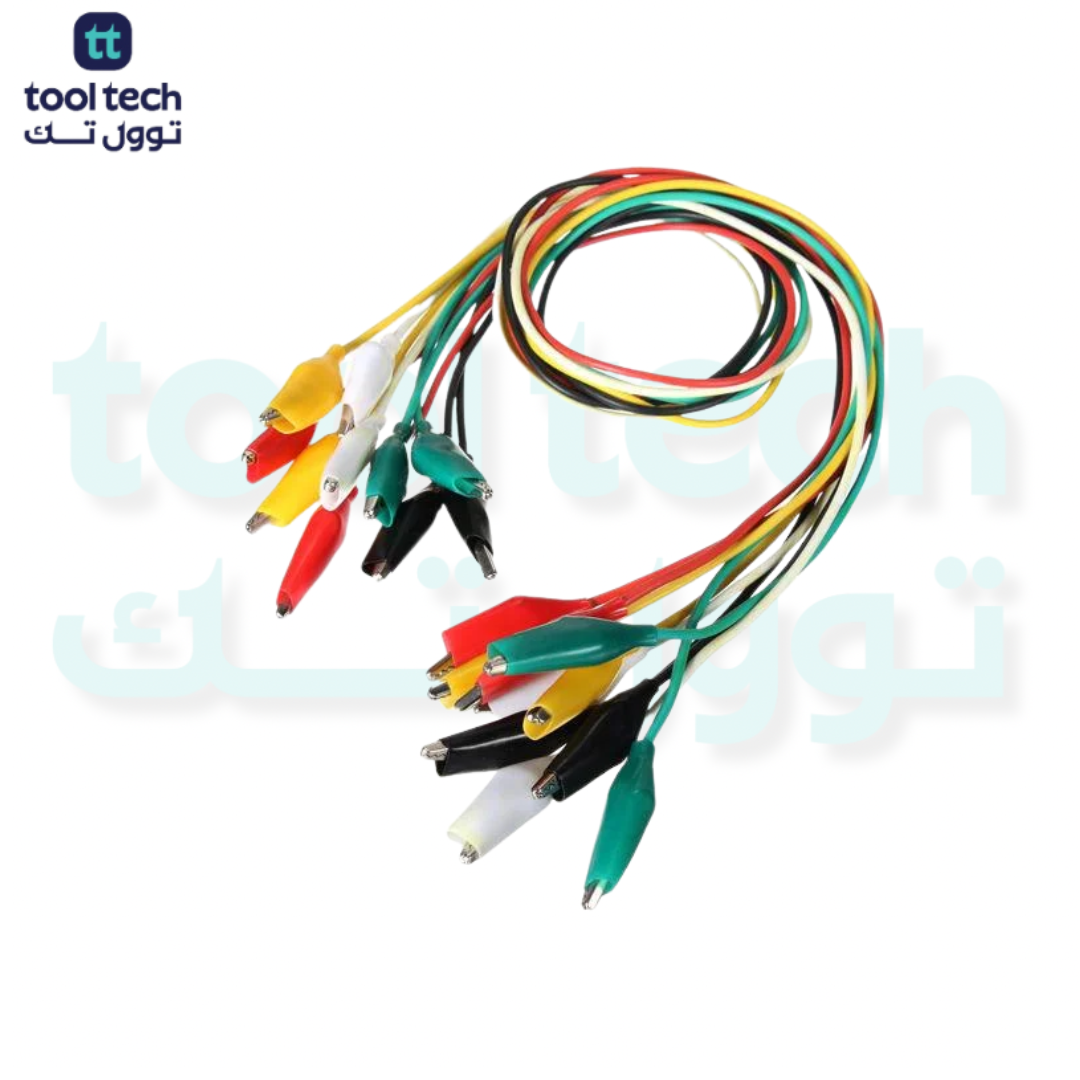
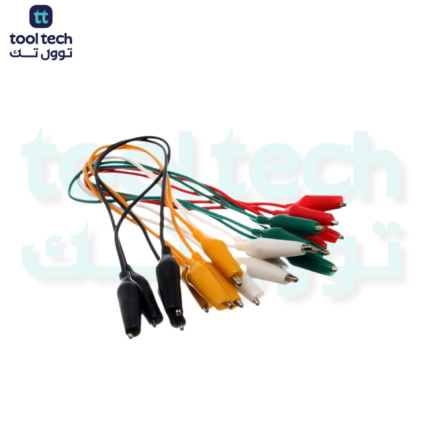
The product you are asking about is commonly referred to as Double-Ended Alligator (Crocodile) Clip Test Leads or Alligator Clip Jumper Wires.
Because this version has an alligator clip on both ends of the wire, it is used for “bridging” two points that do not have header pins (such as connecting two batteries together or clipping onto component leads).
Product Specifications
| Feature | Specification |
| Product Name | Double-Ended Alligator (Crocodile) Clip Jumper Wire |
| Connector Type | Alligator/Crocodile Clip (on both ends) |
| Quantity | 1 Piece |
| Length | 45 cm (~17.7 inches) |
| Clip Material | Nickel-plated steel (typically) |
| Insulation | PVC (protective colored boots) |
| Wire Material | Copper core |
| Rated Voltage | Typically up to 30V (for low-voltage electronics) |
| Rated Current | Usually 1A to 5A (depending on wire thickness) |
Key Features
-
Double-Sided Connectivity: Unlike jumper wires that need a specific male or female pin, these clips can “bite” onto wires, battery terminals, motor leads, or even other alligator clips.
-
Temporary Testing: Ideal for quick troubleshooting, jumping a connection on a circuit board, or powering a device from a battery pack without needing to solder wires.
-
Durable Design: The spring-loaded jaws provide a secure grip, and the insulated vinyl boots help prevent accidental short circuits during testing.
-
Flexibility: At 45 cm, this lead provides sufficient length to connect components that are not right next to each other on a workbench.
Common Uses
-
Educational Projects: Connecting batteries to light bulbs, motors, or buzzers to demonstrate basic circuits.
-
Diagnostics: Connecting a multimeter to a circuit to measure voltage or continuity.
-
Prototyping: Making temporary connections between loose electronic components before finalizing a design.
Do you need advice on the best way to safely use these clips to avoid short-circuits during your testing?


















Reviews
There are no reviews yet.