



Description
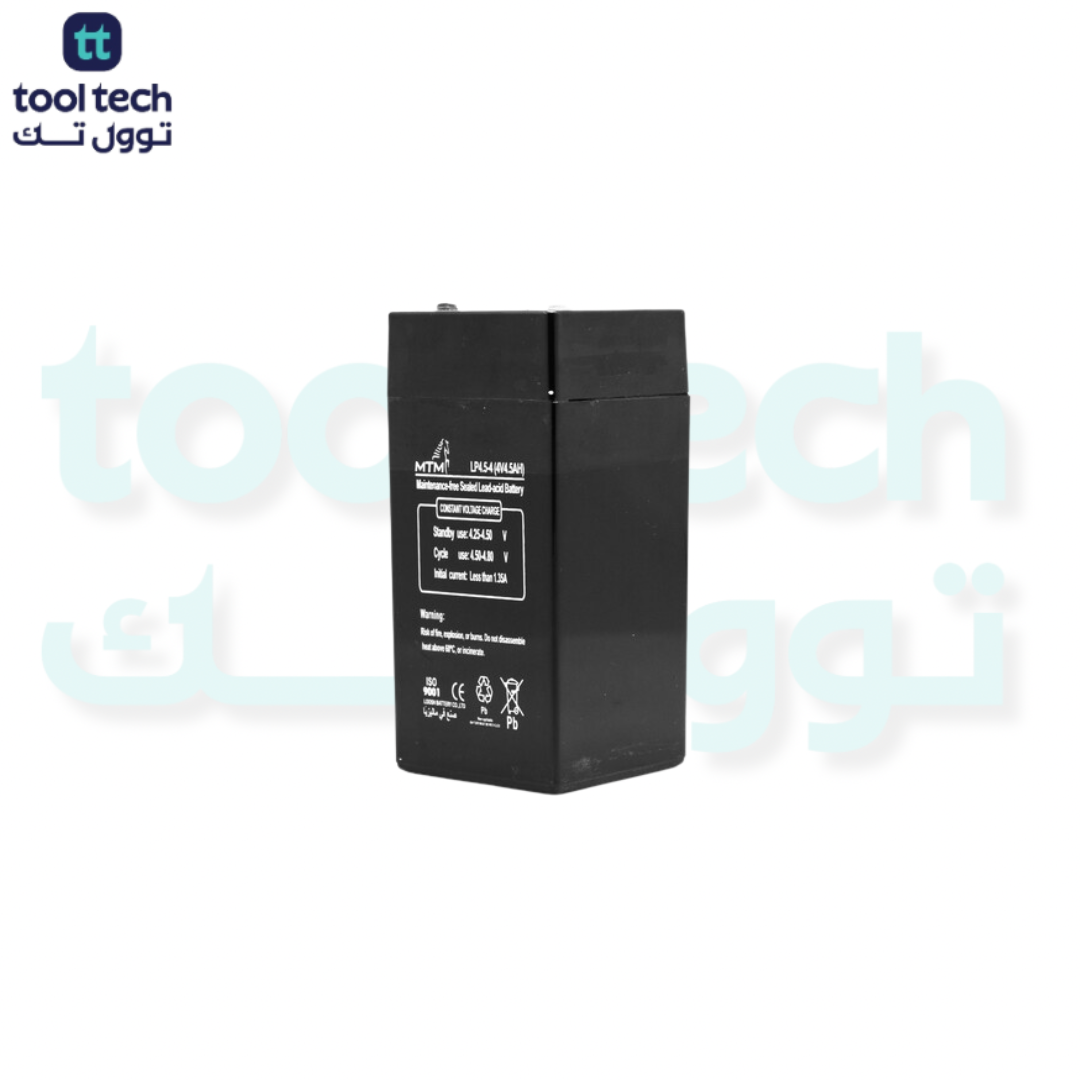
The LP4.5-4 (4V 4.5Ah) is a standard Sealed Lead-Acid (SLA) battery utilizing AGM (Absorbent Glass Mat) technology. While “LP4.5-4” is a common model designation used by many international battery manufacturers, it is frequently produced in facilities across Southeast Asia (including Malaysia) and China.
Product Description
The LP4.5-4 is a valve-regulated, maintenance-free battery. The “LP” prefix often denotes a general-purpose series designed for both cyclic (frequent use) and standby (backup) applications. Because it uses AGM technology, the electrolyte is suspended in a fiberglass mat, making it non-spillable and safe for use in indoor environments.
Key Features
-
Maintenance-Free: Sealed construction means no electrolyte refilling is ever required.
-
Versatile Mounting: Can be installed in any orientation (except upside down).
-
High Discharge Reliability: Designed to provide consistent power for small electronics and emergency backup systems.
-
Safety: Valve-regulated design allows for gas recombination, preventing pressure buildup.
-
Rugged Design: Built to withstand vibration and shocks common in portable consumer devices.
Typical Applications
This battery size is commonly found in:
-
Emergency Lighting: Powering exit signs and portable emergency lamps.
-
Security Systems: Backup power for alarm panels and motion sensors.
-
Portable Electronics: Used in electronic scales, medical testing equipment, and handheld searchlights.
-
Toys & Hobby: Frequently used as the power source for small motorized ride-on toys or hobbyist electronics.
-
UPS Systems: Small-scale backup for niche low-power networking gear.
Specifications for Installation
-
Nominal Voltage: 4V
-
Nominal Capacity: 4.5Ah (at a 20-hour rate)
-
Terminal Type: Typically F1 (0.187″ quick-connect tab).
-
Approximate Dimensions: ~48mm x 48mm x 101mm (Dimensions can vary slightly by brand).
Maintenance & Usage Tips
Crucial: Always ensure you use a charger compatible with 4V AGM lead-acid batteries. A standard 5V USB charger will likely overcharge and damage the battery.
-
Avoid Deep Discharge: Do not let the battery drain completely. Aim to recharge it as soon as the device indicates low power.
-
Storage: If the device is not in use, store the battery in a cool, dry place. Charge it every 3–6 months while in storage to prevent “sulfation,” which can permanently reduce the battery’s capacity.
-
Replacement: If you are replacing an existing battery, measure your current unit’s physical dimensions and check the terminal type (F1 is most common, but some use F2). Even if the model number “LP4.5-4” matches, slight physical variations between manufacturers can occur.















Reviews
There are no reviews yet.