


Description
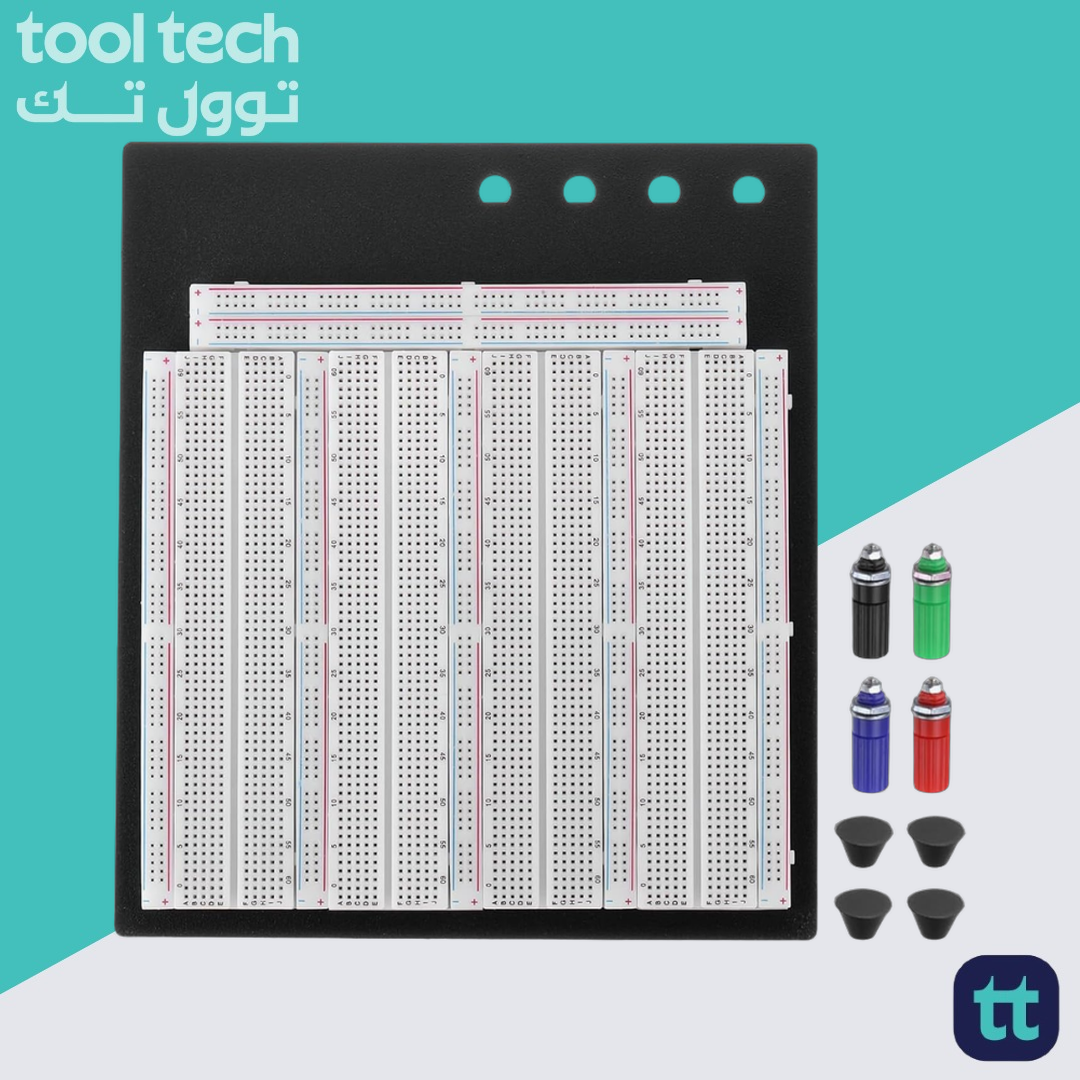
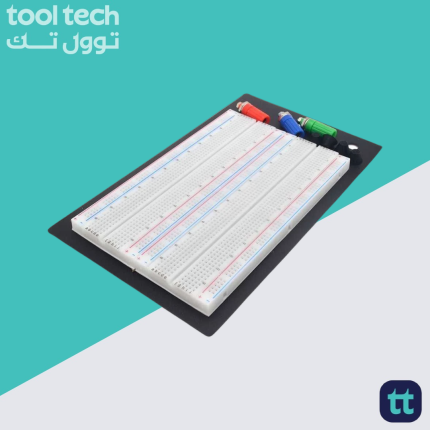
ZY-208 Solderless Breadboard – 3220 Tie Point
The ZY-208 is a large-format, high-capacity prototyping board designed for complex electronic circuit assembly, debugging, and educational R&D. By providing a massive workspace without the need for permanent soldering, it allows engineers, students, and hobbyists to build, test, and modify sophisticated circuit designs rapidly.
Technical Specifications
| Feature | Specification |
| Total Tie-Points | 3220 |
| Configuration | 4 Terminal Strips (2520 points) + 7 Distribution/Power Strips (700 points) |
| Binding Posts | 4 |
| Base Plate | Powder-coated black steel/aluminum with rubber feet |
| Material | ABS plastic (board), Phosphor bronze with nickel plating (clips) |
| Dimensions | Approx. 23.5cm x 20.5cm |
| Wire Compatibility | 20–29 AWG (recommended 20–26 AWG solid-core wire) |
| Pitch | 2.54mm (0.1″) standard |
Key Features
-
Expansive Prototyping Area: With 3220 tie points, this board is ideal for large-scale projects involving microcontrollers (Arduino, ESP32, Raspberry Pi), multiple sensor arrays, and complex logic circuits that would not fit on standard smaller breadboards.
-
Sturdy Foundation: Unlike basic breadboards, the ZY-208 comes mounted on a heavy-duty, powder-coated metal base. This provides excellent stability and prevents the board from sliding or flexing during component insertion.
-
Reliable Connectivity: The internal spring clips are made from nickel-plated phosphor bronze, ensuring durable electrical contact and resistance to corrosion over repeated use.
-
Flexible Power Distribution: The seven distribution strips allow for easy management of multiple voltage rails (e.g., 3.3V, 5V, 12V, and GND) across the board, which is essential for complex mixed-signal systems.
-
Reusable & Modular: Components can be moved, removed, or swapped instantly. The board layout is color-coded to help with organized component placement and circuit tracing.
Best Practices for Use
-
Wire Selection: For the most reliable connections, use solid-core jumper wires. Stranded wires can be difficult to insert and may damage the internal spring clips over time.
-
Cleanliness: To maintain low contact resistance, ensure that component leads are clean and free of oxidation or solder residue before insertion.
-
Heat Sensitivity: While the ABS plastic is durable, avoid using high-temperature tools directly on the breadboard, as the plastic can melt or warp.
-
Organized Prototyping: Use the color-coded rails to keep your power distribution consistent. This helps reduce accidental short circuits when working on dense designs.


















Reviews
There are no reviews yet.