




Description
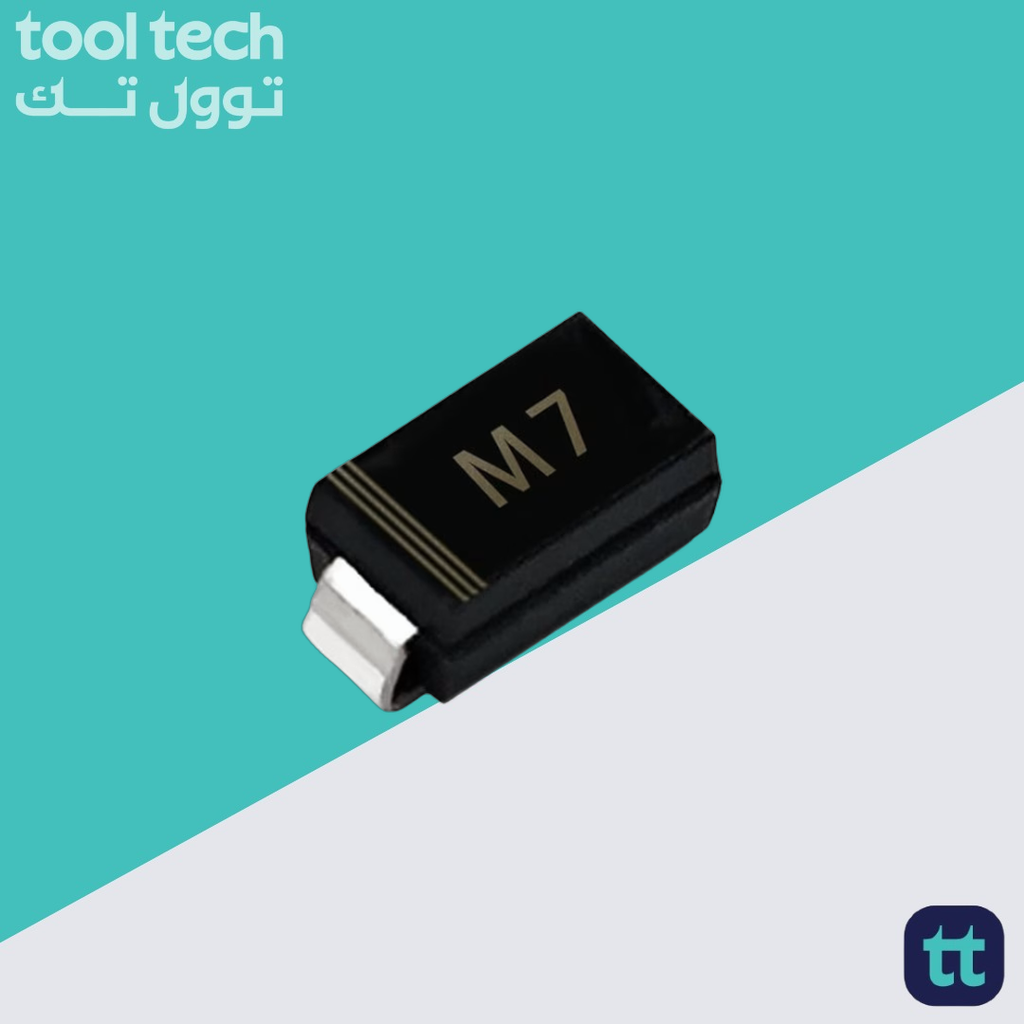
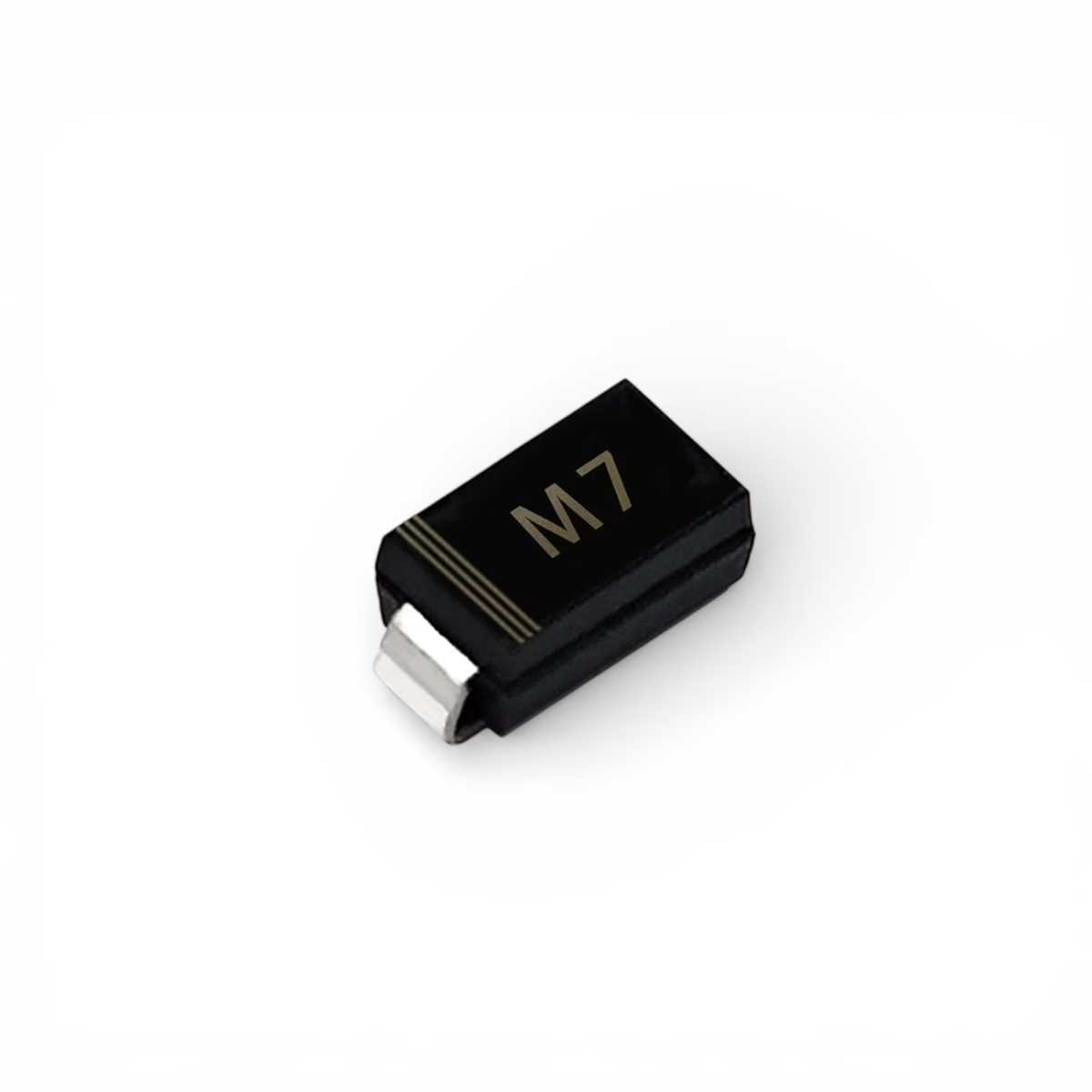
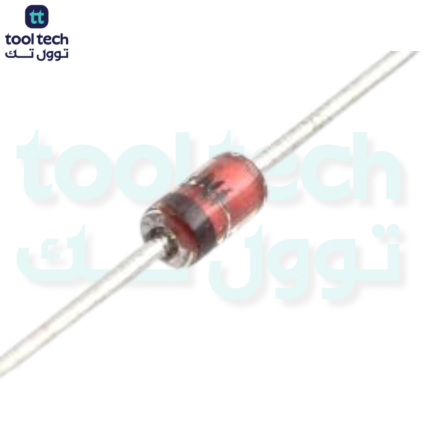
he 1N4007 (often referred to by its surface-mount equivalent code, M7) is one of the most widely used general-purpose silicon rectifier diodes. It is designed to allow current to flow in only one direction while blocking it in the other, making it a fundamental component in power conversion and protection circuits.
Technical Specifications
| Parameter | Rating |
| Peak Repetitive Reverse Voltage ($V_{RRM}$) | 1000 V |
| Average Rectified Forward Current ($I_O$) | 1.0 A |
| Non-Repetitive Peak Surge Current ($I_{FSM}$) | 30 A (for 8.3ms) |
| Forward Voltage Drop ($V_F$) | ~1.1 V (at 1A) |
| Reverse Leakage Current ($I_R$) | 5 µA |
| Package Type | DO-41 (Axial) / DO-214AC (SMA/SMD) |
Key Characteristics & Applications
-
1N4007 vs. M7:
-
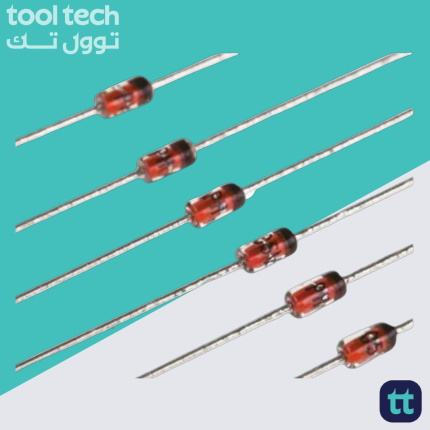
1N4007: Usually refers to the through-hole, axial leaded version.
-
M7: This is the industry-standard marking code for the SMD (Surface Mount Device) version, typically in an SMA (DO-214AC) package. They share identical electrical characteristics.
-
-
High Voltage Rating: With a 1000V peak reverse voltage, it is highly versatile for AC-to-DC rectification tasks, even at high-voltage mains levels.
-
Polarity: Like all diodes, it has a polarity. The end with the band (stripe) represents the Cathode (-), while the other end is the Anode (+).
Typical Use Cases
-
AC-to-DC Rectification: Converting alternating current from a transformer output into direct current for power supplies.
-
Freewheeling/Flyback Diode: Placed in parallel with inductive loads (like relays or motors) to suppress high-voltage spikes that occur when the power is suddenly turned off.
-
Reverse Polarity Protection: Used in series with a power supply input to prevent damage if a user accidentally connects the power source backwards.
-
Signal Clipping: Simple clamping applications where you need to limit the voltage level of a signal.
Important Design Considerations
-
Speed: The 1N4007/M7 is a standard recovery diode, not a “Fast Recovery” or “Schottky” diode. It is meant for low-frequency applications (typically 50–60 Hz). It is not suitable for high-frequency switching power supplies, as its slow recovery time will cause significant heating and efficiency loss.
-
Heat Dissipation: While it is rated for 1A, the forward voltage drop causes power dissipation ($P = V_F \times I$). At 1A, it dissipates about 1.1 Watts. If you are operating near the maximum current limit, ensure your PCB design includes adequate copper traces for heat sinking.













Reviews
There are no reviews yet.