

Description
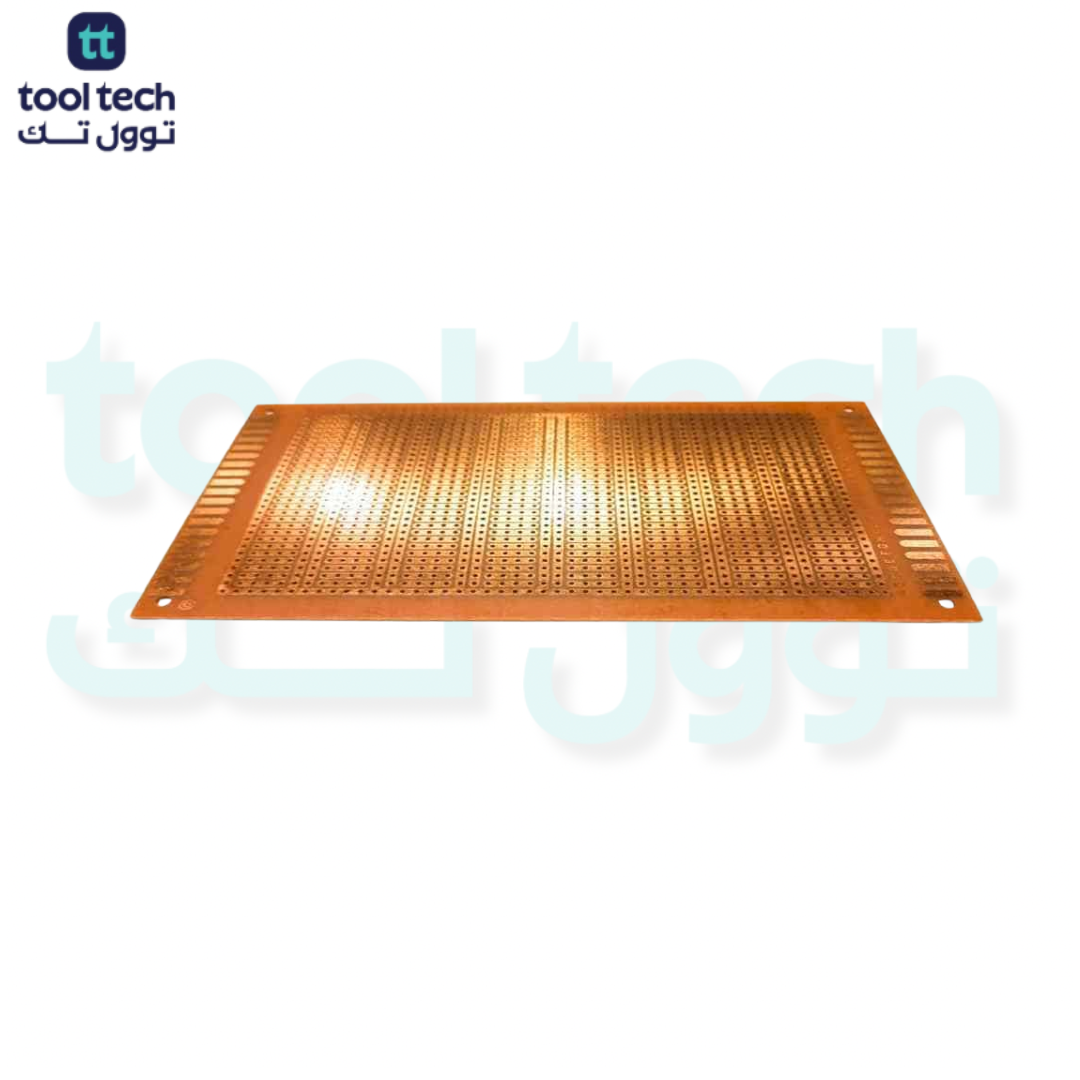
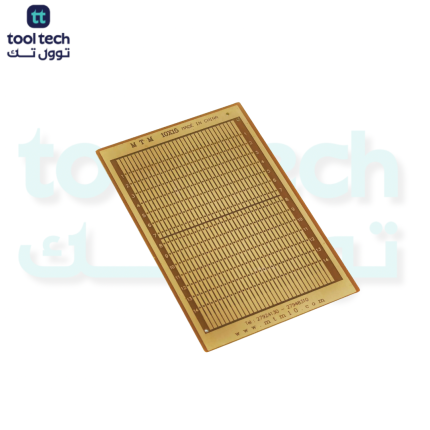
roduct Overview: FR2 Phenolic Paper PCB (20x20cm)
This 20cm x 20cm FR2 (Flame Retardant level 2) copper-clad laminate is a cost-effective, entry-level substrate designed for prototyping, educational projects, and low-cost consumer electronics. Unlike FR4 (which is made of fiberglass and epoxy), FR2 is composed of synthetic resin-bonded paper.
Technical Specifications
| Feature | Specification |
| Material | Phenolic Resin-Bonded Paper (FR2) |
| Dimensions | 200mm x 200mm (20x20cm) |
| Layers | Single-sided (Copper on one side) |
| Color | Tan / Light Brown (typical of phenolic paper) |
| Thermal Limit | Lower than FR4; prone to delamination under excessive heat |
| Machinability | Excellent; easy to cut, drill, and file |
Key Characteristics
-
Cost-Efficiency: FR2 is significantly cheaper than FR4, making it the ideal choice for single-use or “disposable” electronics where high structural integrity is not required.
-
Ease of Fabrication: Because the base material is paper-based, it is much softer than fiberglass. You can easily cut it to custom shapes using a simple hacksaw or heavy-duty shears, and it is very gentle on drill bits.
-
Mechanical Limitations: FR2 is more brittle and has lower mechanical strength than FR4. It is not suitable for applications subject to high vibrations, mechanical stress, or extreme temperature fluctuations.
-
Electrical Properties: It is suitable for low-frequency, low-voltage hobbyist circuits. It is not recommended for high-frequency (RF) or high-speed digital designs, as its dielectric constant is less stable than that of FR4.
Ideal Use Cases
-
Hobbyist Prototyping: Perfect for developing simple LED circuits, power supplies, or basic logic breadboarding.
-
Educational Tools: An excellent substrate for teaching students about PCB etching, soldering techniques, and basic circuit assembly.
-
Low-Cost Consumer Goods: Commonly found in simple household electronics like toys, basic remote controls, or low-cost timers where thermal and mechanical loads are minimal.
Fabrication Advice
-
Soldering: Use a lower-wattage soldering iron (25W–30W) and be cautious. Prolonged heat application can cause the copper pads to lift or the phenolic board to scorch.
-
Etching: It is fully compatible with standard etching solutions (such as Ferric Chloride or Ammonium Persulfate).
-
Storage: Store in a dry, cool place. Phenolic paper can absorb moisture from the air over time, which may slightly affect its insulating properties.












Reviews
There are no reviews yet.